


Leo Sidran
Host of The Third StoryLeo Sidran is a Grammy winning multi-instrumentalist musician, producer, arranger, composer, recording artist and podcast host based in Brooklyn, New York.
Raised around music and musicians, Sidran started writing songs professionally as a teenager when the Steve Miller Band recorded four of his songs for their 1993 Wide River album. Around the same time, he began performing regularly as a drummer with his father, renowned and multifaceted jazzman Ben Sidran.
Sidran’s seven solo albums have explored the space between pop music, jazz, Brazilian and singer songwriter genres. Jazz Magazine in France says “Leo Sidran makes pop music swing.” Jazz Times says of Leo, “Vocally he suggests an amalgam of his father Ben with a hint of Donald Fagen. His fluid laidback style is reminiscent of Bob Dorough. Musically and lyrically his compositions are smart, sharp, and sparklingly original.” His most recent album, The Art Of Conversation was released in 2021. El Pais in Spain called it a “hymn to empathy”.
In addition to his solo career he has produced or co-produced projects for artists around the world (often in the Latin music space) including the Oscar winning song “Al otro lado del rio” for Jorge Drexler (from the film The Motorcycle Diaries), the Latin Grammy winning Healer for Cuban singer Alex Cuba, Grammy Nominated Mis Americas for Argentine-American songwriter Kevin Johansen, and The Original for Clyde Stubblefield (James Brown's original funky drummer). Leo has produced all of Ben Sidran’s records for the last 15 years, most recently Swing State.
Leo’s music has been featured in hundreds of advertisements for the world’s biggest brands, and he has scored long form projects for outlets including ESPN 30 for 30, Discovery, IFC, Sundance, and PBS.
As a drummer, he has played and recorded with jazz luminaries including Phil Woods, Howard Levy, David Fathead Newman, Clark Terry, Dave Grusin, Rick Margitza, and many more. He tours regularly around the world with his father’s quartet and his love of jazz continues to inform much of his work.
Above all, Leo loves to connect with people, which is what led him to start his much heralded podcast The Third Story, featuring interviews with musicians, producers, songwriters, and others in the creative class of all ages about their personal stories and professional journeys. Although it is not specifically a jazz podcast, many of his guests have spent time exploring the space around improvisation and creation.
-
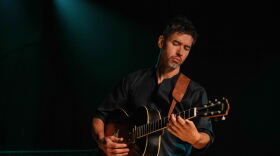 Guitarist Miles Okazaki tells Leo Sidran about the making of The Monkathon, a new concert film documenting the extraordinary undertaking of performing all 66 Thelonious Monk compositions from memory in a single evening.
 -
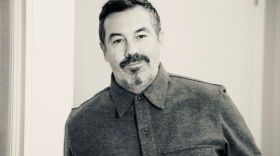 On pop stardom, artistic identity, and learning to let go of what happens to your work.
 -
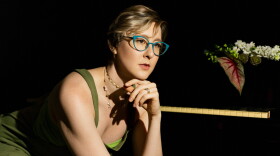 Ahead of her September 30 album release show at The Pocket, pianist and singer Kelly Green talks with Leo Sidran about the lifelong pursuit of jazz, finding her musical family, and the Eastern philosophy that has taught her to put everything into her music and then let it go.
 -
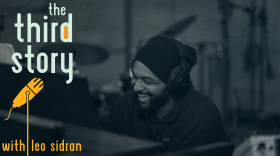 Pianist Sullivan Fortner on growing up in New Orleans, nearly choosing medicine over music, and the teachers and mentors who shaped him, from Barry Harris and Fred Hersch to his years playing with Roy Hargrove; his musical and personal partnership with Cécile McLorin Salvant, his fascination with sound and experimentation, and the making of Solo Game and Leave That In There.
 -
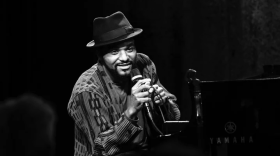 Sullivan Fortner tells Leo Sidran about how he seriously considered becoming a doctor, and didn't choose music until almost the last possible moment.
 -
 Twenty-five years ago, New York’s jazz clubs went dark after the September 11 attacks. Some reopened within days. Others never recovered. A look at the musicians, clubs and institutions that kept the music alive.
 -
 At a late-summer celebration in Central Park, Verve Records marked its 70th anniversary alongside SummerStage’s 40th season. From a new generation reimagining Getz/Gilberto to Samara Joy and Christian McBride carrying the jazz tradition forward, the evening was a reminder that musical history is kept alive by the people who believe in it — sometimes quietly, one person at a time.
 -
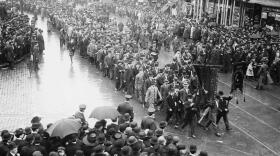 The first Labor Day parade took place in New York City in 1882, but it didn’t get moving until a group of workers from Newark arrived with a band. Leo Sidran traces the musical origins of the holiday and considers the enduring question of musicians as both artists and workers.
 -
 Leo Sidran revisits a 2023 conversation with singer Samara Joy about her experience studying at SUNY Purchase
 -
 Argentine singer, composer, and producer Sofía Rei talks about leaving Buenos Aires and rediscovering the music of home, moving beyond the boundaries of jazz, embracing electronics and production, and learning from collaborators and students. Her new album Antónima brings those threads together through what she calls “Folk and Futurism” a meeting place for tradition, technology and a distinctly contemporary musical identity.


